Student Career and Placement Services
To achieve this, the Centre of Career Services organizes activities under three pillars, namely: career education, career counseling and career information.
bridging the gap between academia and the workplace
Your Career Path Begins Here
We are committed to helping you define and achieve your career aspirations, no matter your field of study. From personalized career counseling to practical work experience, our services are carefully tailored to meet your unique needs. We not only prepare you to excel academically but also focus on enhancing your employability through hands-on learning, internships, professional development, and networking opportunities. Our goal is simple: to ensure that each student has the confidence, knowledge, and resources to transition smoothly from university life to a fulfilling and successful professional career. Whether you’re seeking guidance on choosing the right career path, crafting a standout resume, securing internships, or landing your dream job, we’re here to support your growth and help you succeed in whatever you choose to pursue.
The Maasai Mara University Student Career and Placement Services is committed to providing a holistic, career-oriented support system that prepares students for the dynamic and ever-evolving job market. Our suite of services is carefully curated to cater to students at every stage of their academic and professional journeys. We offer personalized and hands-on guidance that equips students with essential career skills, insights into various industries, and opportunities for practical work experiences. Below is a detailed overview of the comprehensive services we provide:
About Us
Shaping Career Success: Leadership and Impact of the Student Career and Placement Services Department
Led by Director Dr. Patrick Guuda, the department offers personalized career counseling, workshops, and training to enhance employability skills, while actively connecting students with internship and job opportunities.
The life of a student is an important and dynamic component of an active tertiary education experience. It provides the students with an opportunity to develop not only academically, but also socially. It is important to note that universities have a responsibility as part of the wholistic education of their graduate to prepare student for eventual entry into the work force or and entrepreneurship.
This is a more complex activity than simply providing the student with greater levels of information and even more sophisticated general skills.
In addition, it is also the responsibility of the university to educate the students about the nature of the work force and the student’s potential place in it, and how the course of study pursued by the students may eventually affect the student’s place in the work force. Career services do provide the immediate assistance that the student may need to maximize his or her capacity to begin a career.
New skills and capabilities that are necessary
- Digital skills, literary skills.
- Entrepreneurship and business acumen.
- Environmental sustainability/green skills.
- Lifelong learning. Action: growth mindset = lifelong learning.
Steve Jobs said, “the savvy way to do great work is to love what you do
“The future of work will be about skills.” Dale Stephens.
Empowering Early Phase Career Readiness and Entrepreneurship
Maasai Mara University Hosts Successful 3-Day Career Week 2026
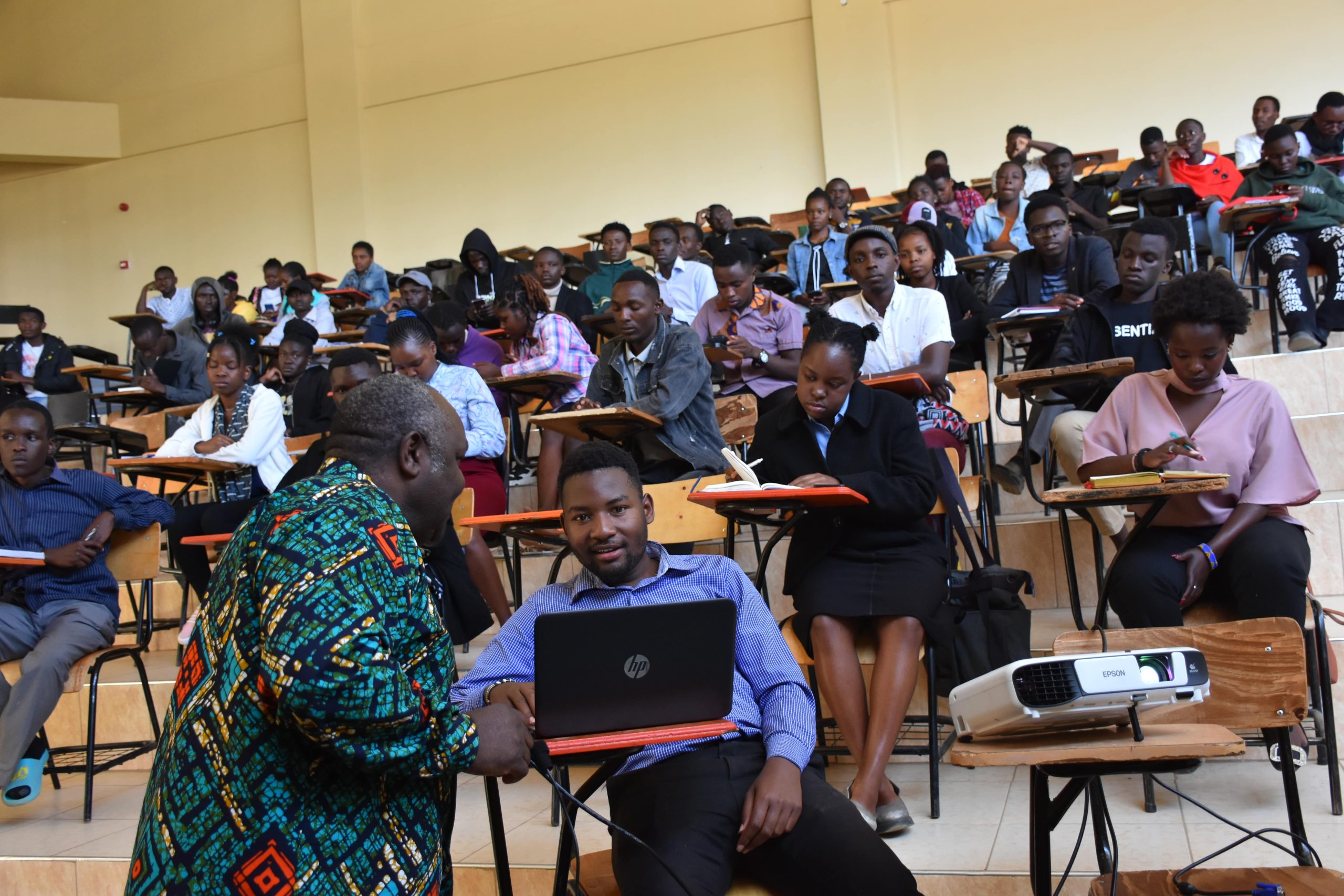
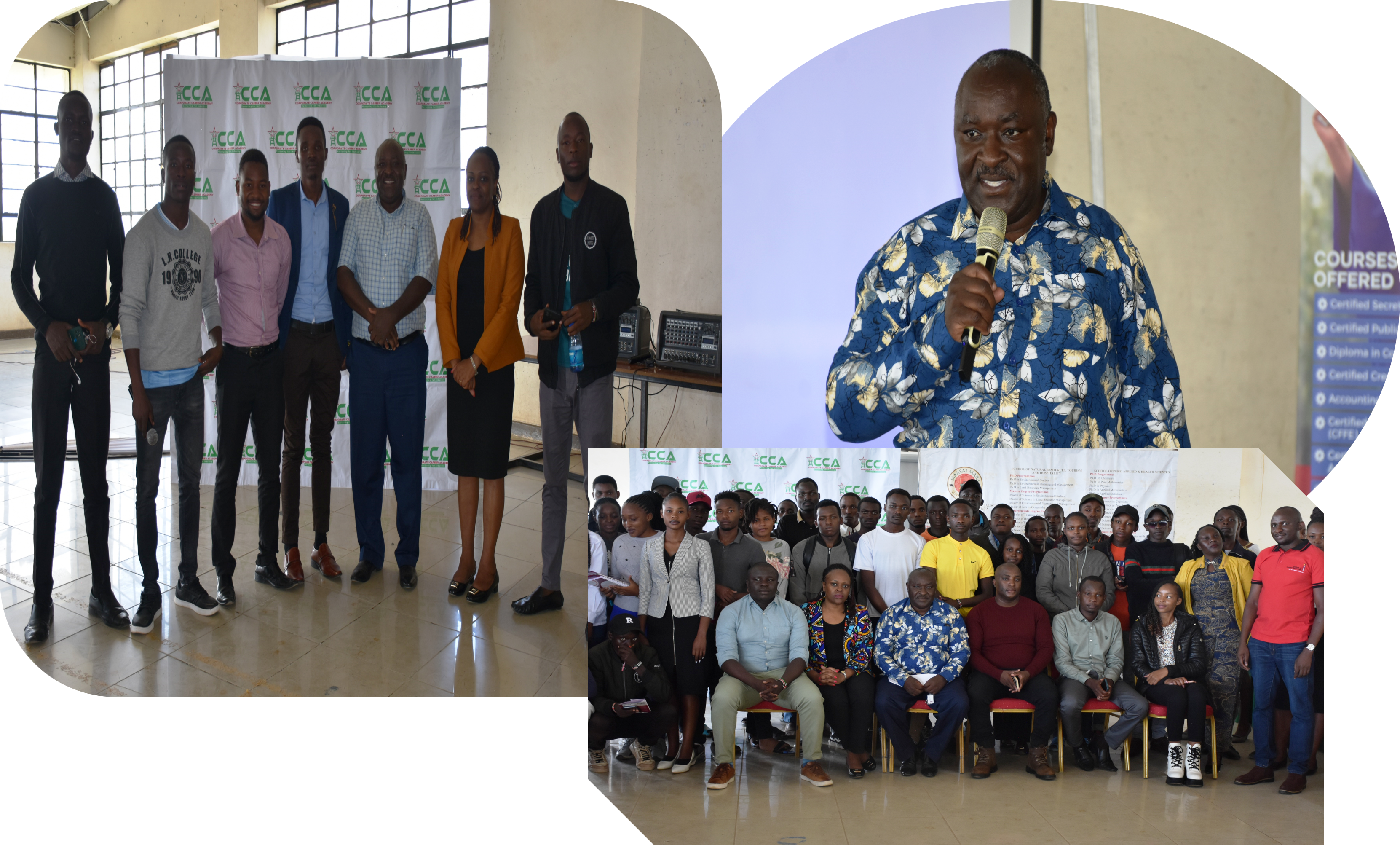
The Career Services, Communication & Public Service (CSC&PS) successfully held a three-day Career Week themed “Innovating Careers, Empowering Graduates for Societal Transformation” from Wednesday, 11th March to Friday, 13th March 2026.
The event brought together students, scholars, and industry experts in an engaging and insightful series of sessions aimed at preparing graduates for the evolving job market and societal needs.
Day 1: Integrity, Leadership and Career Exposure
The Career Week commenced with an impactful session led by Prof. Patrick Gudda, CSC&PS Coordinator, who spoke on Integrity and Leadership. The session strongly resonated with students, reflecting their keen awareness of governance issues and the critical role of integrity in leadership.
Prof. Gudda later conducted a Career Clinic with students from Narok High School and Maasai Girls’ Secondary School, offering guidance on career pathways and personal development.
Participants also had the opportunity to tour the University campus, giving visiting students a broader perspective of university life and future opportunities beyond secondary education.
Day 2: Innovation and the Digital Economy
The second day focused on innovation and modern economic opportunities.
The first session, “Innovation Beyond Technology,” was delivered by Prof. Kibas, Dean and Founder of the School of Business at Zetech University. He emphasized the importance of systems thinking and the need for continuous self-reinvention in a rapidly changing world.
The final session was led by CPA CFA Weke Vincent, Director at Adamas College of Accountancy, who spoke on the Digital Economy and Digital Taxation. His presentation particularly appealed to young entrepreneurs and creatives engaged in online ventures.
He clarified misconceptions about taxation, explaining that:
Taxation helps formalize businesses
There is a clear distinction between tax evasion (illegal) and tax avoidance (legal)
Legal frameworks exist to protect business owners
Day 3: Indigenous Knowledge and Climate Innovation
The final day featured experts from the School of Natural Resources and Sciences, including:
Dr. Daniel Naikuni
Prof. Wycliffe Wanzala
Dr. Samson Mabwoga
The sessions explored various aspects of Indigenous Knowledge Systems:
Dr. Naikuni encouraged students to embrace and take pride in their cultural heritage as a source of transformative knowledge and sustainable livelihoods.
Prof. Wanzala spoke on the renaissance of ethnoknowledge systems and economy, highlighting threats to indigenous knowledge and urging students to explore its value in the modern economy.
Dr. Mabwoga addressed Climate-Smart Innovations and the Circular Economy, encouraging students to acquire climate-related skills to position themselves for emerging opportunities in the sector.
The event was brought to a close by DVC Research,Innovations and Outreach – Prof. Mburu – who encouraged students to apply the concepts they had learnt over the course of the sessions held.
The event was a success owing to the dedication of students who were curious to learn and facilitators who were willing to share information. The future is here,and we believe that our students are ready for it.