University
Council Chairman
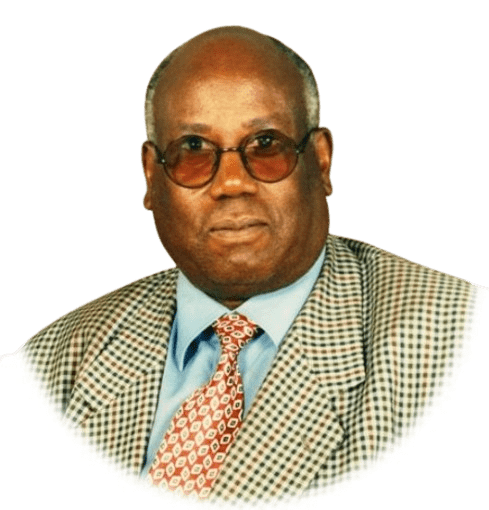
Prof. Geoffrey Moriaso Ole Maloiy, IOM, AOM, MBS, EBS, BSc, PhD, DSc, FAAS
Message
Prof. Geoffrey Moriaso Ole Maloiy, IOM, AOM, MBS, EBS, BSc, PhD, DSc, FAAS is one of Kenya’s most distinguished scholars and internationally acclaimed physiologists, renowned for his pioneering contributions to animal physiology, comparative biology, and higher education leadership. Born in Ngong, Kajiado County, Prof. Maloiy pursued his early education in Kajiado before attending Machakos Boys School and later earning a Bachelor of Science degree from the University of British Columbia, Canada, in 1964. He subsequently obtained a PhD in Physiology from the University of Aberdeen in 1968 and later became the first Kenyan to earn a Doctor of Science (DSc) degree from the same university in Comparative Animal Physiology and Metabolism.
Prof. Maloiy joined the University of Nairobi in 1972 as a Senior Lecturer and rapidly rose through the ranks, becoming Chairman of the Department of Animal Physiology in 1973 and Full Professor of Physiology in 1975. He served as Dean of the Faculty of Veterinary Medicine (1976-1980) and later as Principal of the College of Agriculture and Veterinary Sciences (1983-1988), providing transformative academic and administrative leadership.
A scholar of global repute, Prof. Maloiy has held visiting professorships and research appointments at leading institutions including Harvard University, Duke University, the University of Tel Aviv, the Max Planck Institute in Germany, and the University of Aarhus in Denmark. Notably, he became the only African to be appointed Visiting Alexander Agassiz Professor of Biology at Harvard University.
His exceptional contributions to science have earned him numerous national and international honors, including the Moran of the Burning Spear (MBS), Elder of the Burning Spear (EBS), fellowship in the African Academy of Sciences, and induction into both the International and American Orders of Merit. A prolific researcher, Prof. Maloiy has authored five books and over 190 scientific publications, leaving a lasting legacy in scholarship, research, and academic leadership across Africa and beyond.